
The Role of Undercounter Sinks in Modern Minimalist Kitchens
Release time:
2026-06-08
With the increasing trend of simplicity and practicality in modern home design, minimalist kitchens have gradually become a mainstream style. As an important component of the kitchen space, the design of the sink directly affects the overall aesthetics and user experience. Undercounter sinks, with their concealed installation structure and high practicality, are playing an increasingly important role in minimalist kitchens.
With the increasing trend of simplicity and practicality in modern home design, minimalist kitchens have gradually become a mainstream style. As an important component of the kitchen space, the design of the sink directly affects the overall aesthetics and user experience. Undercounter sinks, with their concealed installation structure and high practicality, are playing an increasingly important role in minimalist kitchens.
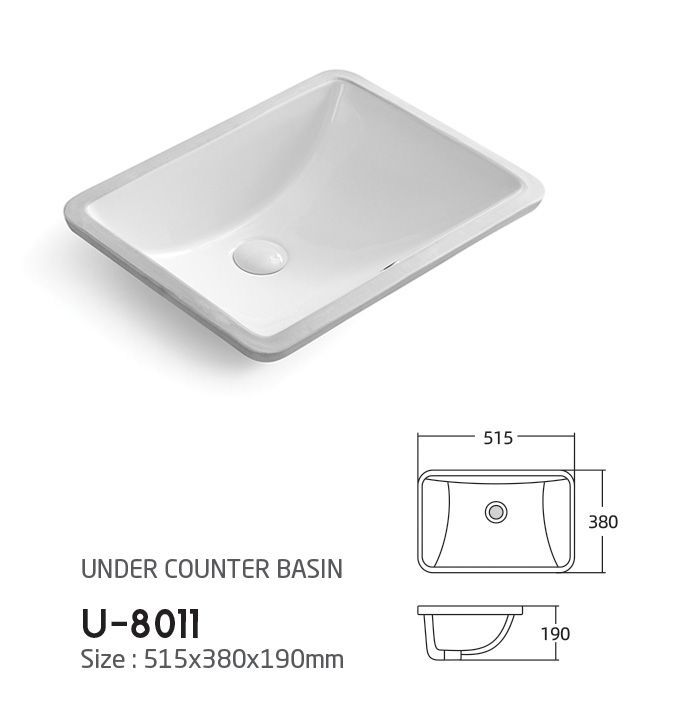
Minimalist kitchens emphasize the design philosophy of "less is more," pursuing a clean and tidy visual effect. Undercounter sinks are installed under the countertop, completely concealing the sink's edge and eliminating any protruding frame structure. This design creates a continuous, flat, and unified visual effect on the countertop, significantly reducing visual distractions and making the kitchen space more concise and sophisticated.
Traditional countertop basins tend to accumulate dirt and water stains at the edges, making cleaning more difficult. However, because undercounter sinks seamlessly integrate with the countertop, users can directly wipe water stains and food scraps from the countertop into the sink, greatly reducing cleaning dead spots. This feature perfectly meets the needs of modern families for an efficient and convenient kitchen lifestyle.
In minimalist kitchen design, space utilization is paramount. Undercounter sinks maximize countertop space, creating a more spacious work area. Whether preparing food, storing utensils, or providing temporary storage, flexibility is increased, improving overall kitchen efficiency, making them particularly suitable for small apartments or open-plan kitchens.
Undercounter sinks are typically used with quartz, granite, or engineered stone countertops, achieving a high degree of integration between materials and structure. This integrated design not only enhances the overall quality of the kitchen but also strengthens the spatial unity, making the kitchen more in line with the modern minimalist design requirement of "overall harmony."
Because the undercounter sink is installed slightly lower than the countertop, it is more convenient to use, reducing the strain on the arms. At the same time, its concealed edges reduce the risk of bumps and bruises, improving safety and comfort, making it suitable for family kitchens with frequent use.
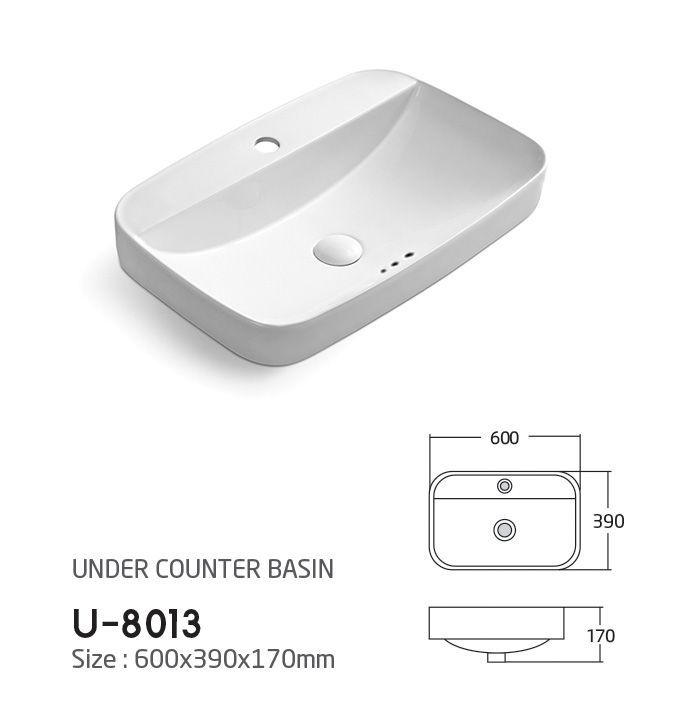
Undercounter sinks are not just a simple sink installation method; they are a key embodiment of the modern minimalist kitchen design philosophy. By enhancing visual simplicity, optimizing the cleaning experience, improving space utilization, and enhancing overall design, it creates a more efficient, comfortable, and beautiful kitchen environment for modern families, becoming one of the important choices for contemporary kitchen upgrades.
Related news
Contact Us
ADD :Lingqian industrial Zone Fengyi Guxiang
Chaozhou Guangdong China
Tel : 0086-768-6932608 6932008
Fax : 0086-768-6832608
E-mail: toptgo@toptgo.com

Mobile Phone Client