
How to Assess the Production Capabilities of Lavatory Basin Suppliers
Release time:
2026-07-24
As the demand for bathroom fixtures in hotels, commercial buildings, residential projects, and public facilities continues to rise, the scale of lavatory basin procurement is expanding. For buyers, selecting a supplier with stable production capabilities is crucial; it impacts not only product quality but also project timelines, cost control, and after-sales service. Therefore, when choosing a lavatory basin supplier, it is essential to comprehensively evaluate their manufacturing strength from multiple perspectives.
As the demand for bathroom fixtures in hotels, commercial buildings, residential projects, and public facilities continues to rise, the scale of lavatory basin procurement is expanding. For buyers, selecting a supplier with stable production capabilities is crucial; it impacts not only product quality but also project timelines, cost control, and after-sales service. Therefore, when choosing a lavatory basin supplier, it is essential to comprehensively evaluate their manufacturing strength from multiple perspectives.
Production scale is a key indicator of a supplier's capability. Established manufacturers typically possess well-equipped workshops, automated machinery, and stable production teams capable of handling large-volume orders.
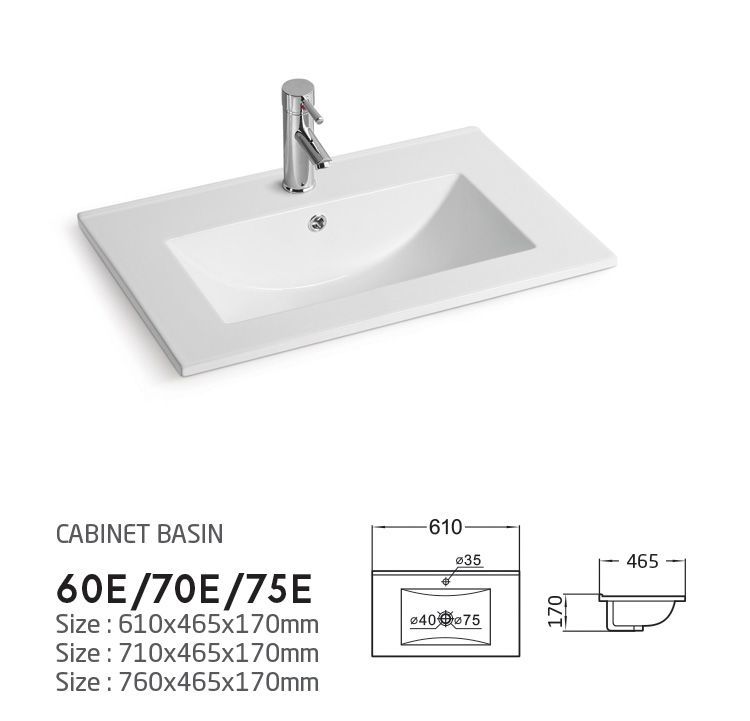
Buyers should inquire about the supplier's daily output, monthly capacity, and the quantity of major production equipment. For instance, the production of ceramic basins involves multiple stages—such as mold making, forming, drying, glazing, and firing—and only manufacturers with a complete production workflow can guarantee that orders are completed on schedule.
The quality of a lavatory basin is closely linked to its manufacturing process. Top-tier suppliers usually employ mature manufacturing workflows and exercise strict control over every stage of production.
In the case of ceramic basins, for example, critical factors include the clay mixture ratio, molding precision, firing temperature, and glazing techniques. Inadequate process control can lead to issues such as deformation, cracking, color variations, or uneven glazing.
During the procurement process, buyers can request an overview of the production workflow and review examples of actual production runs to gauge the supplier's technical expertise.
Consistent quality management is a vital benchmark for assessing a supplier's production capabilities. Reliable manufacturers typically implement comprehensive quality inspection procedures, covering raw material checks, semi-finished product testing, dimensional measurements, visual inspections, and packaging checks.
Product consistency is crucial for bulk procurement projects. Without strict quality control, variations in color, dimensions, or structure between batches can occur, compromising the final installation results.
Consequently, buyers should verify whether the supplier maintains a professional quality inspection team and standardized testing procedures.
Different clients and projects often have unique requirements regarding the dimensions, shapes, colors, and installation methods of lavatory basins. Therefore, a supplier's OEM/ODM customization capability is another important factor in evaluating their production strength.
Capable manufacturers usually have in-house mold development teams, allowing them to modify products based on client designs and rapidly produce samples. This is particularly important for hotel projects, brand-name clients, and large-scale procurement for construction projects.
Lavatory basin production relies not only on manufacturing equipment but also on a stable supply chain for raw materials. Top-tier suppliers typically establish long-term, stable procurement channels to ensure uninterrupted production.
For instance, the stability of the supply of ceramic raw materials, glazes, and packaging materials directly impacts delivery schedules. Inadequate supply chain management by a supplier can lead to order delays or fluctuations in product quality.
For international buyers, a supplier's export experience is equally crucial. Manufacturers with experience in overseas projects are generally more familiar with product standards, packaging requirements, and shipping procedures specific to different markets.
When sourcing, buyers should inquire whether the supplier has served clients such as hotels, real estate developers, or sanitary ware brands, and review relevant project case studies. Such experience reflects the manufacturer's ability to handle large orders and complex requirements.
Production capability encompasses not only the manufacturing process itself but also after-sales support. Reliable lavatory basin suppliers typically provide technical support, installation guidance, and solutions for resolving issues.
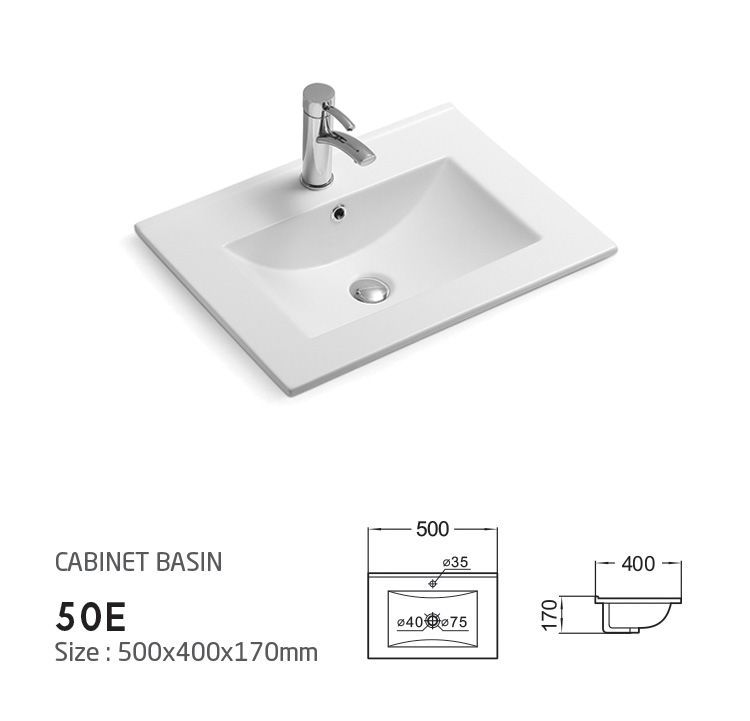
A robust after-sales system helps buyers mitigate project risks and fosters stable, long-term partnerships.
Assessing a lavatory basin supplier's production capability requires a comprehensive evaluation of factors such as production scale, manufacturing processes, quality control, customization capabilities, supply chain management, export experience, and after-sales service. Selecting a manufacturer with a mature production system and reliable delivery capabilities ensures that product quality meets requirements and enhances project execution efficiency, thereby providing a solid foundation for long-term cooperation.
Related news
Contact Us
ADD :Lingqian industrial Zone Fengyi Guxiang
Chaozhou Guangdong China
Tel : 0086-768-6932608 6932008
Fax : 0086-768-6832608
E-mail: toptgo@toptgo.com

Mobile Phone Client