
How Handmade Basins Address the Cracking Issues Common in Traditional Ceramic Sinks
Release time:
2026-06-03
In the realm of traditional bathroom fixtures, ceramic washbasins are widely utilized due to their classic aesthetics and moderate cost; however, practical application has revealed certain drawbacks—most notably, a susceptibility to cracking, which stands out as one of the most frequently cited pain points in user feedback. Cracking not only compromises visual appeal but also leads to issues such as water leakage and a shortened product lifespan. Handmade Basins, however, have largely remedied this defect through comprehensive optimizations in materials, craftsmanship, and structural design.
In the realm of traditional bathroom fixtures, ceramic washbasins are widely utilized due to their classic aesthetics and moderate cost; however, practical application has revealed certain drawbacks—most notably, a susceptibility to cracking, which stands out as one of the most frequently cited pain points in user feedback. Cracking not only compromises visual appeal but also leads to issues such as water leakage and a shortened product lifespan. Handmade Basins, however, have largely remedied this defect through comprehensive optimizations in materials, craftsmanship, and structural design.
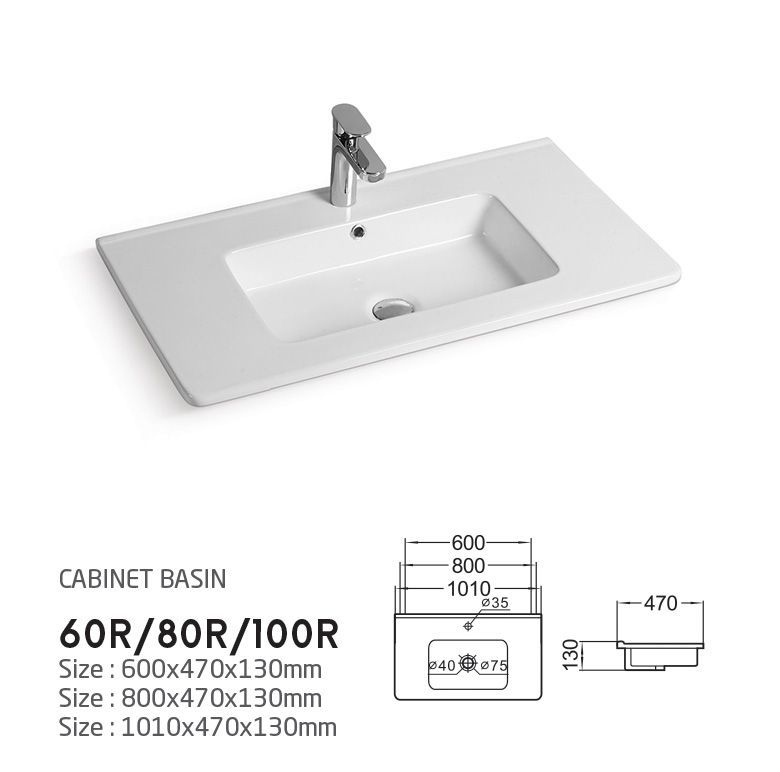
In terms of material selection, handmade basins typically employ high-density clay or reinforced porcelain clay, utilizing precise raw material formulations to strictly control impurity levels. Compared to traditional ceramic basins, handmade basins achieve a denser structure with fewer internal pores during the high-temperature firing process, thereby enhancing crack resistance at the very source. Furthermore, certain high-end handmade basins feature an additional reinforced glaze layer on the surface, endowing them with superior resistance to impact and thermal stress.
Regarding the molding process, handmade basins emphasize a combination of segmented shaping and meticulous manual finishing. This approach avoids the issues of concentrated internal stress that can arise during traditional mechanical pressing. Because stress is distributed more evenly throughout the material, the product is far less prone to the propagation of micro-cracks when subjected to thermal fluctuations or external physical impacts, thereby significantly mitigating the risk of cracking.
As for the firing process, handmade basins typically utilize multi-stage kiln firing techniques with precise temperature control, ensuring a smoother and more gradual transition during both the heating and cooling phases. While traditional ceramic basins are susceptible to thermal stress if temperature changes occur too rapidly, handmade basins effectively minimize structural damage caused by thermal expansion and contraction by extending the heat-soaking and slow-cooling stages.
From a structural design perspective, handmade basins also prioritize the rationalization of thickness transitions, carefully avoiding areas that are excessively thin or prone to stress concentration. Additionally, the supporting structures for installation are optimized to ensure that the load on the basin body is distributed more evenly, thereby reducing the likelihood of latent cracks caused by improper installation.
Through a multi-faceted approach—encompassing material upgrades, meticulous manual craftsmanship, multi-stage firing control, and optimized structural design—Handmade Basins have effectively resolved the cracking issues inherent in traditional ceramic sinks. This not only enhances the product's overall durability but also further strengthens its competitive standing within the high-end bathroom fixture market.
Related news
Contact Us
ADD :Lingqian industrial Zone Fengyi Guxiang
Chaozhou Guangdong China
Tel : 0086-768-6932608 6932008
Fax : 0086-768-6832608
E-mail: toptgo@toptgo.com

Mobile Phone Client